10 Key Video Marketing Trends to Dominate in 2025
Discover the top 10 video marketing trends for 2025. Learn how to implement short-form, AI, UGC, and shoppable videos to drive growth and engagement.
Video is no longer just a marketing channel; it's the primary language for brand-to-audience connection. As we navigate 2025, this language is evolving rapidly. Ephemeral 15-second clips are driving millions in sales, while AI-generated content is scaling personalization to unprecedented levels. Staying competitive requires more than just pressing record. It demands a strategic understanding of the key video marketing trends shaping consumer behavior and a concrete plan to execute them effectively.
This guide moves beyond generic advice to deliver a comprehensive roadmap. We will dissect the 10 most critical trends you need to master right now, from the continued dominance of short-form vertical video to the rise of purpose-driven brand storytelling. You won't just learn what is trending; you'll understand why it matters and exactly how to implement it.
Each section provides a tactical breakdown, offering step-by-step guidance to integrate these powerful strategies into your marketing workflow. We will also illustrate how to operationalize these concepts, showing how an all-in-one content platform like ViewPrinter can transform complex trends into a tangible competitive advantage. This article is your actionable blueprint for building a resilient, high-impact video strategy that connects, converts, and sets you apart in a crowded market. Get ready to explore the future of video, one actionable trend at a time.
1. Short-Form & Stories Vertical Video
The explosive growth of platforms like TikTok, Instagram Reels, and YouTube Shorts has cemented short-form vertical video as a non-negotiable component of modern digital strategy. This format, characterized by 15-60 second clips designed for a full-screen mobile experience, caters directly to dwindling attention spans and mobile-first consumption habits. It’s a dominant force because it prioritizes immediate engagement, authenticity, and snackable content that is easily shared and consumed on the go.
Why does it work so well? Vertical video mimics the natural way we hold our phones, creating an immersive, full-screen experience without any awkward rotating. Its fast-paced, hook-driven nature is perfect for capturing attention in crowded social feeds. Brands like Nike leverage this by creating viral athlete challenges on TikTok, while Glossier uses Instagram Reels for quick, compelling product demonstrations that feel native to the platform.
How to Implement This Trend
Successfully adopting short-form video requires a shift in creative strategy away from traditional, polished horizontal content. The goal is to stop the scroll instantly.
- Prioritize the First 3 Seconds: Your opening moment is critical. Start with a surprising visual, an intriguing question, or a bold statement to immediately capture viewer interest.
- Embrace Platform-Native Features: Use trending sounds, popular filters, and relevant hashtags to increase discoverability and relevance. Content that aligns with platform trends often receives a significant boost from the algorithm.
- Design for Sound-Off Viewing: A large percentage of users watch videos without audio. Use clear, easy-to-read captions and on-screen text overlays to ensure your message is understood in any context.
- Maintain a Consistent Cadence: Post consistently to build momentum. Aim for a minimum of 3-5 short-form videos per week and maintain a regular presence on Stories to stay top-of-mind with your audience.
By mastering this format, you can significantly enhance brand visibility and engagement. To dive deeper into optimizing your content for this crucial trend, you can explore strategies on how to get more views on your Reels. It's a key part of any effective video marketing trends strategy today.
2. Live Streaming and Real-Time Engagement
Live video has evolved from a niche activity into a mainstream powerhouse for audience connection. Platforms like TikTok Live, YouTube Live, and Instagram Live allow brands to engage with their community in an unscripted, authentic, and real-time environment. This format builds a powerful sense of community and urgency, enabling direct interaction through Q&A sessions, product launches, and exclusive behind-the-scenes content that fosters genuine loyalty.
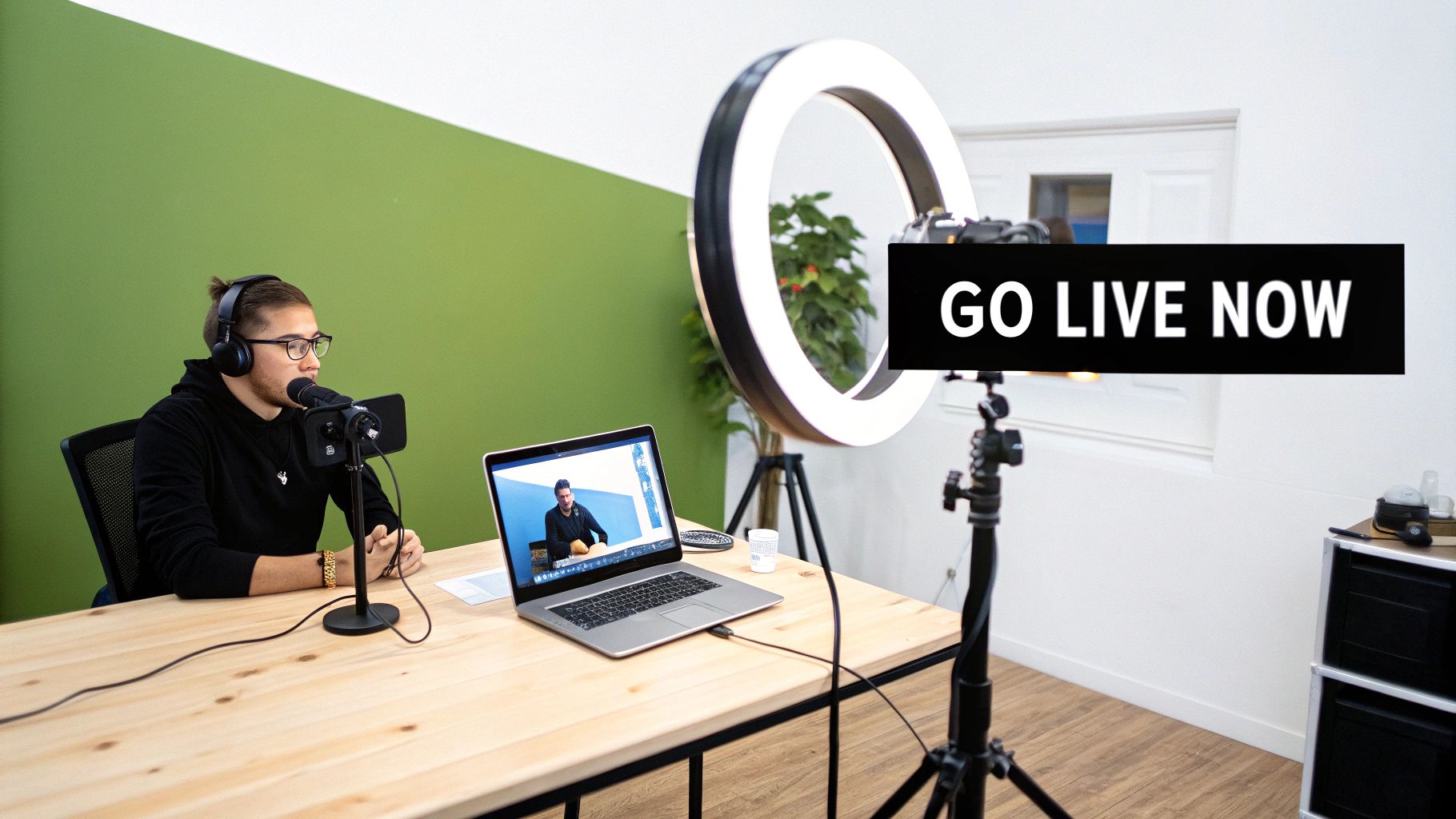
Why does it work so well? Live streaming strips away the high-polish barrier of pre-produced content, creating a transparent and trustworthy brand experience. Viewers feel like active participants rather than passive observers. Tech giants use YouTube Live for major product unveilings to build massive hype, while brands on Amazon Live use interactive shows to demonstrate products and drive immediate sales. This direct feedback loop is invaluable for building relationships and conversions.
How to Implement This Trend
A successful live stream requires more than just hitting the "go live" button. It demands strategic planning to maximize engagement and ensure a smooth broadcast. The goal is to create an interactive event that provides real value.
- Promote Extensively in Advance: Announce your live stream 48-72 hours beforehand across all your channels. Use countdown timers and sneak peeks to build anticipation and ensure a strong initial audience.
- Encourage Active Participation: Your primary goal is interaction. Plan specific moments to ask questions, run polls, and respond to comments by name. This makes viewers feel seen and valued, keeping them engaged longer.
- Create Shoppable Moments: If relevant, integrate commerce directly. Tag products, offer exclusive live-only discount codes, and guide viewers on how to purchase. This turns engagement into a tangible ROI.
- Repurpose Your Live Content: The value of a live stream extends beyond the broadcast. Edit the recording into highlight reels, short-form clips, or quote graphics to populate your content calendar for days or weeks.
Mastering this format is a critical part of the modern video marketing trends landscape, offering a unique opportunity for authentic, high-impact audience interaction.
3. Interactive and Shoppable Videos
Transforming viewers from passive observers into active participants, interactive and shoppable videos are a powerful trend bridging the gap between content and commerce. This format embeds clickable elements directly into the video player, allowing users to make purchases, choose narrative paths, or access more information without ever leaving the experience. It directly addresses the desire for seamless, engaging shopping by reducing friction and boosting conversion rates.
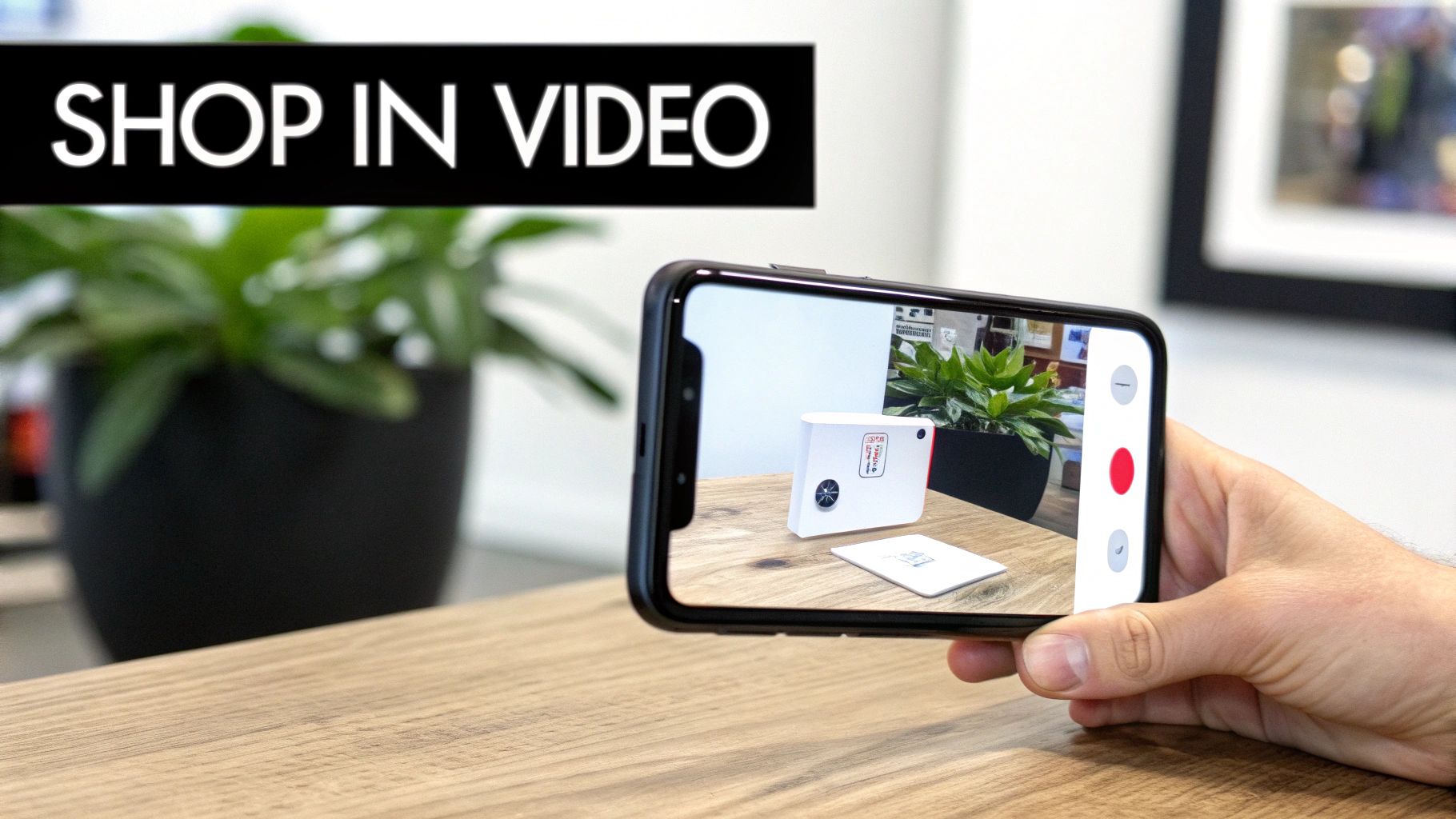
Why does it work so well? By collapsing the marketing funnel, shoppable video shortens the path to purchase and capitalizes on the viewer's peak interest. Platforms like TikTok Shop and Instagram Shopping have popularized this, making in-app purchasing a native behavior. Brands like H&M use shoppable style guides to turn inspiration into instant sales, while Wayfair’s interactive room visualizations let users see products in a virtual space before buying, dramatically increasing purchase confidence. This is one of the most conversion-focused video marketing trends available today.
How to Implement This Trend
Integrating interactive elements requires a strategic approach that prioritizes user experience and clear calls-to-action. The goal is to make engagement feel natural, not disruptive.
- Make Interactions Intuitive: Use clear visual cues like hotspots, pop-up tags, or highlighted product frames. The user should instantly understand that an element is clickable and what to expect when they do.
- Keep the Path to Purchase Simple: Ensure the embedded checkout process is streamlined and mobile-optimized. A complicated or lengthy process will negate the benefits of the interactive format and lead to cart abandonment.
- Leverage Data for Personalization: Track which products are clicked and which narrative paths are chosen. Use this valuable data to understand customer preferences and tailor future video content for higher engagement.
- A/B Test Your CTAs: Experiment with different interactive elements, placements, and messaging. Test whether a "Shop Now" button performs better than a clickable product tag to optimize your conversion rate over time.
By making your video content a direct gateway to your products, you create a more efficient and engaging customer journey.
4. User-Generated Content (UGC) and Community-Driven Videos
The era of overly polished, brand-centric advertising is yielding to a more authentic and trustworthy approach: user-generated content (UGC). This trend involves featuring videos created by actual customers, fans, and community members. It is a powerful strategy because it builds social proof, enhances credibility, and fosters a deeper sense of community around a brand. Instead of telling audiences to trust them, brands are letting satisfied customers do the talking for them.
Why does it work so well? Modern consumers are increasingly skeptical of traditional advertising but overwhelmingly trust peer recommendations. UGC taps directly into this psychology by showcasing real people and their genuine experiences. GoPro has built its entire marketing empire on breathtaking adventure videos shot by its users, while Airbnb leverages guest-shot videos to provide an authentic preview of stays. This community-driven content feels more relatable and less like a sales pitch, driving higher engagement and conversion rates.
How to Implement This Trend
Activating your community to create content requires a clear, incentivized, and straightforward strategy. The goal is to make it easy and rewarding for your audience to participate.
- Launch a Branded Hashtag Challenge: Create a unique and memorable hashtag for a specific campaign or contest. Ask users to submit videos using the hashtag for a chance to be featured or win a prize, like Starbucks did with its popular #RedCupContest.
- Provide Clear Incentives and Guidelines: Motivate participation with rewards like discounts, free products, or a feature on your official channels. Provide clear, simple guidelines on what kind of content you're looking for to ensure you receive high-quality, relevant submissions.
- Make Submission Effortless: Design a mobile-first submission process. Whether it's through a social media tag, a direct message, or a simple upload form on your website, remove as many barriers as possible for users to share their videos.
- Engage and Amplify Your Community: Actively engage with every submission by liking, commenting, and sharing. Compile the best entries into highlight reels or feature top contributors prominently to show your appreciation and encourage ongoing participation.
By empowering your audience to become co-creators, you can build a powerful and cost-effective content engine. To develop a robust framework for this approach, you can learn more about building a successful user-generated content strategy. It's an indispensable part of today's most effective video marketing trends.
5. Personalized and AI-Driven Video Content
The era of one-size-fits-all video is over. Today, brands are harnessing artificial intelligence and data analytics to deliver highly personalized video content that adapts to individual viewer preferences, behaviors, and their specific stage in the customer journey. This trend moves beyond simple name tokening to creating dynamic, relevant experiences that significantly boost engagement and conversion rates. It’s a powerful approach because it makes viewers feel seen and understood, transforming passive consumption into an interactive dialogue.
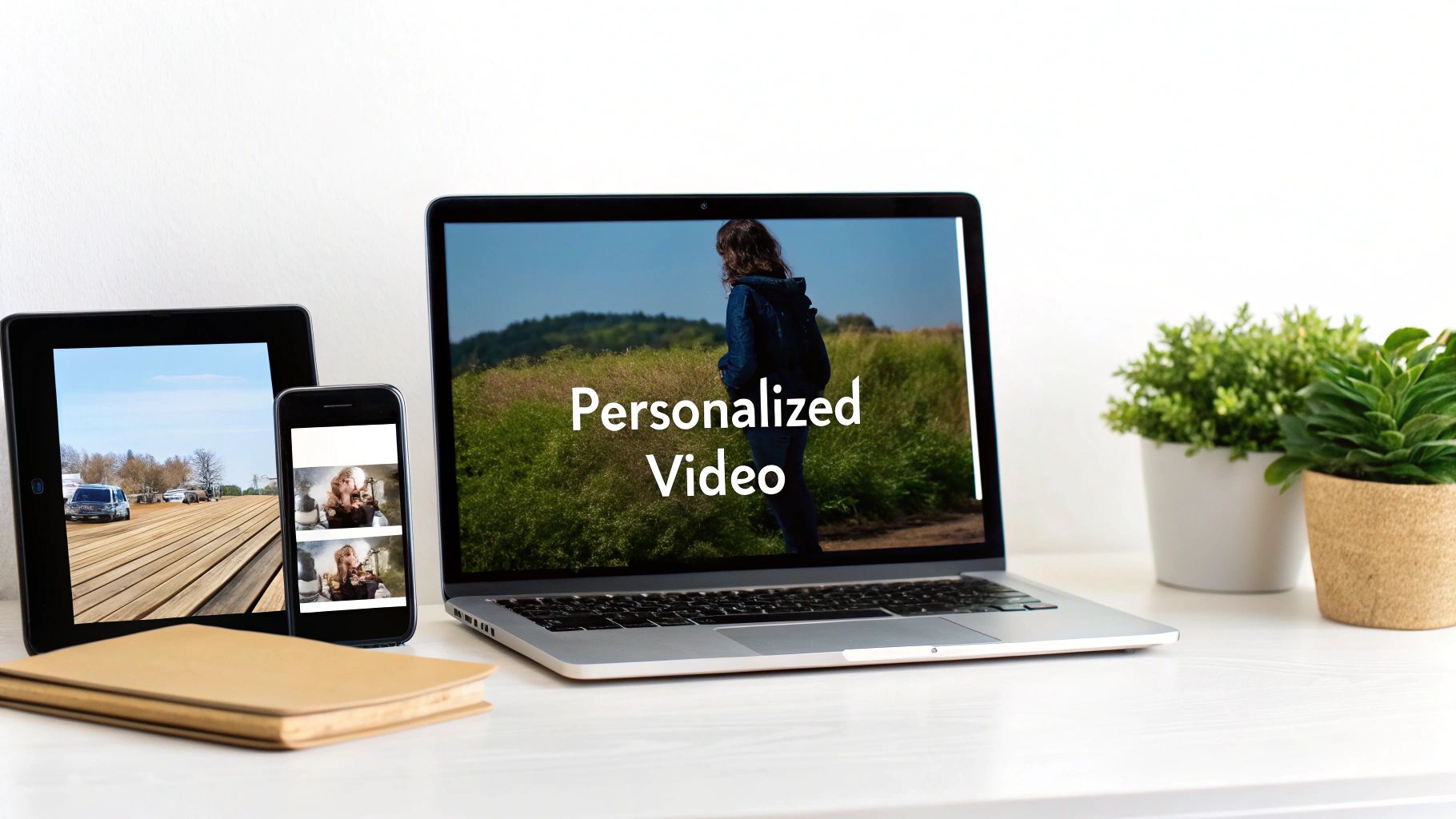
Why does it work so well? Personalization cuts through the noise. When a video directly addresses a viewer’s interests or pain points, it captures attention and builds a stronger connection. Netflix pioneered this with its recommendation engine and dynamic preview trailers tailored to viewing history. Similarly, Spotify’s annual "Wrapped" campaign creates a unique video summary of each user's listening habits, generating immense social sharing and brand loyalty. These hyper-relevant experiences are a cornerstone of modern video marketing trends.
How to Implement This Trend
Integrating AI and personalization requires a data-centric mindset and the right tools. The goal is to make every video feel like it was created just for the viewer.
- Start with Audience Segmentation: Before attempting one-to-one personalization, group your audience into meaningful segments based on demographics, purchase history, or on-site behavior. Create video variations tailored to each group.
- Leverage First-Party Data: Collect and utilize your own customer data to power your personalization engine. This could include past purchases, browsed products, or engagement with previous content to inform what video a user sees next.
- Use Dynamic Video Platforms: Employ tools like Synthesia or Vidyard that allow you to dynamically insert personalized elements (like names, locations, or product images) into a core video template at scale.
- Maintain Privacy and Transparency: Be clear about how you are using customer data to personalize their experience. Ensure compliance with privacy regulations like GDPR and CCPA and provide easy opt-out options.
By delivering tailored video content, you can dramatically improve key metrics like click-through rates and customer retention. This strategic use of data is a defining characteristic of advanced video marketing trends.
6. Video SEO and Long-Form Content Strategy
While short-form video captures immediate attention, long-form content (10+ minutes) is the engine for building authority, trust, and sustained organic traffic. This strategy involves creating in-depth videos that serve as cornerstone content, leveraging platforms like YouTube as powerful discovery engines. By optimizing these assets for search, brands can rank for valuable keywords, establish thought leadership, and capture highly engaged audiences actively seeking comprehensive information.
Why does it work so well? Long-form video directly addresses complex user queries, providing deep value that shorter formats cannot. This increases average view duration, a key ranking signal for YouTube's algorithm. Tech reviewer Marques Brownlee (MKBHD) uses 15-25 minute detailed reviews to dominate tech search queries, while educators like Ali Abdaal create 15-30 minute productivity guides that build a loyal, long-term audience. These videos act as evergreen assets, continuously driving views and leads long after publication.
How to Implement This Trend
Success with long-form content hinges on a strategic approach to both creation and optimization. The goal is to create a definitive resource on a topic that search algorithms and viewers will favor.
- Develop a Keyword-Driven Content Plan: Use SEO tools to identify topics your audience is searching for. Build your video titles, descriptions, and tags around these primary and secondary keywords to maximize search visibility.
- Structure for Retention: Use timestamps and chapters to break your video into logical, easy-to-navigate sections. This improves the viewer experience and helps Google display key moments directly in search results.
- Publish Full Transcripts: Including a full transcript in your video's description makes it accessible and allows search engine crawlers to index every word, significantly boosting your SEO potential for a wide range of long-tail keywords.
- Optimize Your Metadata: Ensure your titles are compelling, thumbnails are professional and click-worthy, and descriptions are rich with relevant keywords and context. To ensure your long-form content performs well and reaches its intended audience, it's crucial to understand how to optimize your videos for YouTube.
By integrating this into your video marketing trends strategy, you can create a powerful and sustainable channel for organic growth.
7. Influencer and Creator Partnerships
Brands are increasingly moving beyond traditional advertising by collaborating with creators and influencers to produce authentic video content. This trend prioritizes genuine audience connection over raw follower counts, recognizing that a recommendation from a trusted voice can be far more powerful than a brand-produced ad. From micro-influencers with niche communities to macro-celebrities with massive reach, these partnerships place products directly within the content that audiences already love and trust.
Why does it work so well? Creator-led content feels less like an advertisement and more like an authentic endorsement. It leverages the built-in trust and rapport influencers have cultivated with their followers, leading to higher engagement and conversion rates. A prime example is Daniel Wellington, which built its empire almost entirely on a micro-influencer strategy, or GoPro, which uses its athlete ambassador program to generate stunning, user-centric video that perfectly showcases the product's capabilities in real-world scenarios.
How to Implement This Trend
Building a successful influencer partnership requires strategic selection, clear communication, and a focus on authentic collaboration rather than simple transactional posts.
- Prioritize Audience Alignment: Focus on the influencer's audience demographics and engagement, not just their follower count. An influencer with 10,000 highly engaged followers in your niche is often more valuable than one with 100,000 disengaged ones.
- Grant Creative Freedom: The most effective partnerships allow creators to integrate the product into their native content style. Provide key messaging points and brand guidelines, but avoid overly restrictive scripts that stifle authenticity.
- Establish Clear Goals and Tracking: Define what success looks like from the start. Use unique promo codes, affiliate links, and UTM parameters to accurately measure the campaign's ROI and attribute sales directly to specific partners.
- Build Long-Term Relationships: Shift from one-off campaigns to building long-term ambassador programs. Sustained partnerships feel more genuine to the audience and can yield greater cumulative results over time, solidifying your brand’s place in the creator economy as one of the key video marketing trends.
8. Sustainability and Purpose-Driven Video Content
Modern consumers, particularly Millennials and Gen Z, increasingly make purchasing decisions based on a brand's values and social impact. Sustainability and purpose-driven video content has emerged as a powerful way to communicate these commitments, moving beyond simple product features to tell a story of ethical responsibility. This trend involves creating videos that highlight environmental initiatives, social causes, and transparent operational practices, building a deeper, value-aligned connection with the audience.
Why does it work so well? This approach taps into a desire for authenticity and corporate accountability. It allows brands to showcase their humanity and long-term vision, fostering trust and loyalty that transcends transactions. Patagonia has mastered this with its extensive library of environmental activism documentaries, while Allbirds uses video to transparently detail its sustainable manufacturing processes. These videos resonate because they are stories, not just advertisements, positioning the brand as a partner in creating a better world.
How to Implement This Trend
Successfully creating purpose-driven content requires genuine commitment and transparent storytelling. Your efforts must be authentic to avoid being perceived as performative or disingenuous.
- Show, Don’t Just Tell: Instead of simply stating your brand is sustainable, create documentary-style videos showing your practices in action. Feature real employees, community partners, and the tangible results of your initiatives.
- Be Radically Transparent: Address both your successes and your ongoing challenges. A video explaining the steps you are taking to reduce your carbon footprint, including the hurdles you still face, is far more credible than a flawless, promotional ad.
- Include Metrics and Verification: Back up your claims with data. Use on-screen text and graphics to display measurable results, such as "reduced water usage by 30%" or "10,000 trees planted." Mentioning third-party certifications adds another layer of credibility.
- Focus on Storytelling, Not Selling: The primary goal is to share your values and mission. Weave a compelling narrative around the people or places your initiatives impact. This human-centric approach is a cornerstone of effective purpose-driven video marketing trends.
9. AI-Generated and Synthetic Media
The rise of AI-powered video generation is a game-changer, enabling brands to produce content without traditional cameras, actors, or extensive editing suites. This trend encompasses everything from AI avatars and text-to-video synthesis to automated editing, offering unprecedented scale and efficiency in content creation. It represents a significant shift, though it also introduces important questions around authenticity and ethics.
Why does it work so well? AI-generated media dramatically reduces production time and costs. Need a corporate training video in five languages? Platforms like Synthesia can generate it in minutes using AI avatars. Want a quick product demo? D-ID’s technology can turn a still image into a speaking presenter. This technology excels at producing consistent, scalable content for internal communications, educational materials, and straightforward marketing messages where speed and cost-effectiveness are paramount.
How to Implement This Trend
Integrating AI into your video strategy requires a balanced approach that leverages its efficiency while preserving human connection. The goal is to enhance, not replace, genuine creativity.
- Start with Internal-Facing Content: Begin by using AI for non-customer-facing videos like employee onboarding, internal announcements, or training modules. This is a low-risk way to test the technology and refine your process.
- Disclose AI Usage Transparently: To maintain audience trust, clearly label any synthetic media. A simple "This video was created using AI" disclaimer prevents confusion and shows respect for your viewers.
- Use AI for Scale and Localization: AI is incredibly effective for adapting a core video message for different markets. Use it to generate versions with different languages or localized content, scaling your reach without re-shooting every time.
- Maintain Human Oversight: Always have a human review and approve AI-generated content. This ensures the final product aligns with your brand voice, meets quality standards, and avoids potential errors or awkward phrasing.
By thoughtfully applying these tools, you can stay ahead in the evolving landscape of video marketing trends. The advancements in AI are rapidly transforming video production, and exploring resources on AI integration in post-production can provide deeper insights into future possibilities.
10. Omnichannel Video Distribution and Repurposing Strategy
Creating high-quality video is a significant investment of time and resources. An omnichannel distribution and repurposing strategy ensures you maximize that investment by creating a core piece of pillar content and then atomizing it into dozens of assets tailored for different platforms. This approach, championed by figures like Gary Vaynerchuk, moves away from a "create once, post everywhere" mentality toward a "create once, customize everywhere" model that boosts reach, reinforces messaging, and improves ROI.
The power of this strategy lies in its efficiency and effectiveness. A single 15-minute YouTube video can be transformed into multiple TikTok clips, an insightful LinkedIn text post with a video snippet, a series of Instagram Stories, and even the foundation for a blog post or podcast episode. HubSpot’s "hub-and-spoke" model is a perfect example, where a central piece of content (the hub) spawns numerous smaller pieces (the spokes) that drive traffic back to the original asset, creating a cohesive content ecosystem.
How to Implement This Trend
Adopting this trend requires a systematic workflow that treats every long-form video as the starting point for a multi-platform campaign. The goal is to make your content work harder and smarter.
- Create a Pillar Content Hub: Start with one substantial, value-packed video per week (e.g., a tutorial, deep-dive interview, or webinar). This will serve as the source material for all other assets.
- Generate Platform-Specific Variations: Extract key moments and reformat them for each channel. Create short, punchy vertical clips for Reels and Shorts, a professional snippet for LinkedIn, and visually engaging carousels for Instagram.
- Optimize Metadata for Each Platform: Don't just copy and paste. Customize titles, descriptions, and hashtags for each platform’s algorithm and user expectations to maximize discoverability.
- Establish a Repurposing Calendar: Plan your distribution schedule to ensure a consistent flow of content across all channels without overwhelming your audience. Use scheduling tools to manage this cadence effectively.
By strategically repurposing your assets, you amplify your message and meet your audience where they are, making it one of the most efficient video marketing trends to adopt. To build a robust workflow, you can explore detailed content repurposing strategies that will help you scale your efforts.
10-Point Comparison of Video Marketing Trends
| Strategy | Implementation Complexity 🔄 | Resource Requirements ⚡ | Expected Outcomes 📊⭐ | Ideal Use Cases 💡 | Key Advantages ⭐ | |---|---:|---:|---|---|---| | Short-Form & Stories Vertical Video | 🔄 Low–Medium — fast production cycles, platform-native edits | ⚡ Low — mobile tools, small team, quick edits | 📊 High engagement & completion; ⭐ Good virality potential | 💡 Awareness, trends, product teasers, youth audiences | ⭐ High engagement; low cost; algorithm-friendly | | Live Streaming and Real-Time Engagement | 🔄 Medium — scheduling, moderation, real-time ops | ⚡ Moderate — reliable bandwidth, host, simple studio | 📊 Strong live engagement; ⭐ Immediate feedback & conversions | 💡 Product launches, Q&A, live commerce, community building | ⭐ Authentic interaction; urgency/FOMO for conversions | | Interactive and Shoppable Videos | 🔄 High — interactive UX and e‑commerce integration | ⚡ High — dev resources, checkout integration, analytics | 📊 Higher conversion (30–50% uplift); ⭐ Rich behavioral data | 💡 E‑commerce product discovery, guided shopping journeys | ⭐ Reduces purchase friction; measurable ROI | | User-Generated Content (UGC) & Community Videos | 🔄 Low–Medium — curation, moderation, rights management | ⚡ Low — incentives, community management, minimal production | 📊 Higher trust & engagement; ⭐ Cost‑efficient scale | 💡 Social proof, contests, community growth, testimonials | ⭐ Authenticity and scalability; lower production cost | | Personalized & AI-Driven Video Content | 🔄 High — data systems, model training, personalization logic | ⚡ High — data, engineering, compliance overhead | 📊 Much higher conversion & retention (50–80% cited); ⭐ Increased relevance | 💡 Personalized ads, retention campaigns, recommendation engines | ⭐ Scalable relevance; superior ROI when privacy-compliant | | Video SEO & Long-Form Content Strategy | 🔄 Medium–High — research, scripting, SEO optimization | ⚡ High — production time, editing, metadata work | 📊 Sustained organic traffic & authority; ⭐ Evergreen monetization | 💡 Thought leadership, tutorials, deep-dive education | ⭐ Strong discoverability; long-term audience building | | Influencer & Creator Partnerships | 🔄 Medium — partner selection, contract & campaign coordination | ⚡ Variable — fees, co‑creation resources, tracking | 📊 High niche engagement; ⭐ Better ROI than many ads | 💡 Product endorsements, niche targeting, launch amplification | ⭐ Access to trusted voices and engaged communities | | Sustainability & Purpose-Driven Video Content | 🔄 Medium — evidence gathering, cross‑team alignment | ⚡ Medium — storytelling resources, verification/partnerships | 📊 Higher brand affinity & loyalty; ⭐ Differentiation for conscious consumers | 💡 CSR reporting, impact storytelling, recruitment messaging | ⭐ Builds trust and premium positioning when authentic | | AI-Generated & Synthetic Media | 🔄 Medium–High — tool expertise, ethical & legal governance | ⚡ Low–Medium — subscriptions/tools replace production costs | 📊 Rapid scale and throughput; ⭐ Efficiency but lower perceived authenticity | 💡 Localization, training, scalable content pilots, internal comms | ⭐ Major time/cost savings; instant localization and consistency | | Omnichannel Video Distribution & Repurposing | 🔄 High — coordination, platform-specific edits, workflows | ⚡ Medium — editing, automation tools, unified analytics | 📊 Higher reach and efficiency (3x engagement/45% better conversions noted); ⭐ Maximized ROI | 💡 Pillar content strategies, cross‑platform campaigns, repurposing | ⭐ Content efficiency via repurposing; consistent messaging across channels |
From Trends to Traction: Activating Your Video Strategy
Navigating the landscape of modern video marketing can feel like trying to hit a rapidly moving target. We've explored ten pivotal video marketing trends, from the high-speed engagement of vertical short-form content to the sophisticated, long-term authority built through video SEO. Each trend represents a distinct opportunity to connect with your audience on a deeper, more authentic level. The challenge, however, isn't merely understanding these trends; it's weaving them into a cohesive, manageable, and impactful strategy that drives real business growth.
The core message resonating across all these trends is a fundamental shift in audience expectations. Viewers no longer want passive consumption; they crave interaction, authenticity, and value. They seek connection through live streams, validation from user-generated content, and personalized experiences powered by AI. They want to see brands that stand for something, as reflected in purpose-driven content, and they want seamless experiences, whether they’re shopping directly from a video or finding your long-form tutorial through a search engine.
Unifying Themes for Strategic Success
As you prepare to implement these strategies, three unifying themes emerge as critical pillars for success:
- Authenticity is the New Currency: From the raw, unedited feel of UGC to the transparent dialogue in live streams, authenticity builds trust. Your audience can spot overly polished, corporate content from a mile away. The most successful brands are those that lean into genuine storytelling and feature real people, including their customers and creators.
- Strategic Distribution is Non-Negotiable: Creating a brilliant video is only half the battle. An omnichannel distribution and repurposing strategy ensures your content reaches the right audience on the right platform in the right format. A single long-form video can be atomized into dozens of assets like shorts, stories, GIFs, and quote cards, maximizing your production investment and expanding your reach exponentially.
- Efficiency is the Engine of Scale: The demand for consistent, high-quality video content can quickly overwhelm even the most dedicated teams. To keep up with trends like AI-generated media, personalized content, and daily short-form videos, you must embrace operational efficiency. This means leveraging tools and workflows that streamline creation, editing, scheduling, and analysis, freeing up your team to focus on creative strategy rather than manual tasks.
Putting Your Video Marketing Plan into Action
So, where do you begin? Start by evaluating your current strategy against the trends we've discussed. Identify one or two trends that align most closely with your business goals and audience behavior. Don't try to master all ten at once. For an e-commerce brand, integrating shoppable video and launching a UGC campaign might be the most impactful first steps. For a B2B service provider, focusing on video SEO with long-form content and building a live streaming series could be the key to establishing authority.
Remember that mastering these video marketing trends is an ongoing process of experimentation, measurement, and iteration. What works today may need adjustment tomorrow. By staying agile, listening to your audience, and leveraging the right technology, you can move beyond simply following trends and start setting them. The goal is to transform these powerful concepts from a list in an article into tangible traction for your brand, building a loyal community and driving measurable results that impact your bottom line.
Ready to stop chasing trends and start mastering them? ViewPrinter is the all-in-one platform designed to operationalize your entire video strategy, from AI-powered creation to omnichannel distribution and analytics. Turn insights into action and start building your video marketing future by exploring ViewPrinter today.